
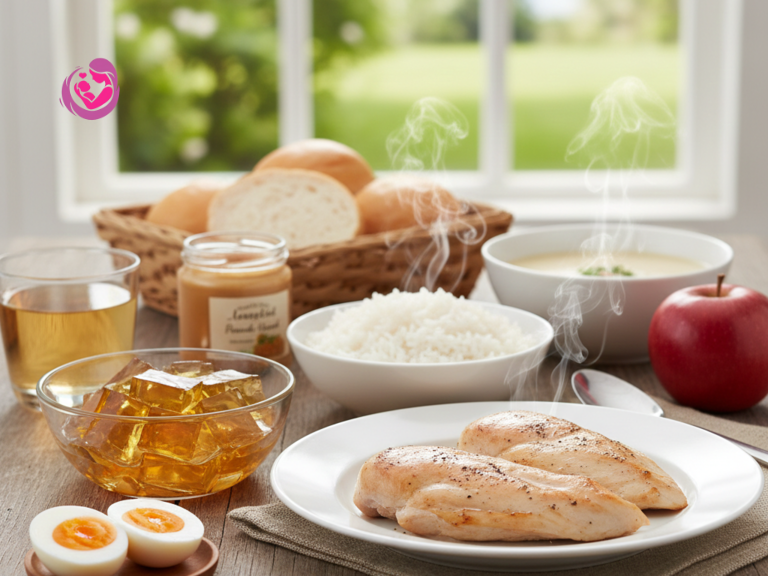
Introduction of low residue diet
When your stomach looks like a warring zone, this is the last thing that you would want especially when you are already eating food that makes your stomach labored. Whether you are dealing with an exacerbation of Crohn to fight or whether you are trying to treat some diverticulitis, or whether you are soon to get that life-saving colonoscopy, the general implication that you must increase your amount of fiber may be the last thing you need to develop. Dick, do you have sore bowels, and inflamed–all the coarse stuff, all the sowing, all the husks, sand paper on sore raw.
This is where the low residue diet fits into the picture and serves as the digestive re-set button. It is a clinical nutritional plan in comparison to most diets that are formulated to help an individual lose his or her weight but one-thing more is the fact that one has to make his or her bowels work fewer times. Through the remains that are left behind i.e the undigested food that is left behind after the digestive process, which is eliminated, you can get your body to heal internally. This is one of our last road maps upon which we will unravel to go through with this diet without missing the flavor or nutrition.
What is Low Residue Diet?
A low residue diet is merely a limited diet, which is alleged to reduce the amount of undigested food that goes through your large intestines. The residue is any solid material that has remained in the digestive system after the digestion process has taken place. This is mostly in the form of dietary fiber but some fats and proteins are completely broken down.
It is a diet aimed at stool volume and frequency reduction. The limitation of the amount of fiber being added to the diet especially not exceeding 10 15 pods of fiber per day effectively rests the bowel. This is a requirement to those who have inflammatory acute or have undergone bowel surgery. This is no permanent measure, but will be a relief until the digestive system can recover some time with out the liquidation which will be a side effect of such large and high-fiber waste products.
Low Fiber Diet Food List
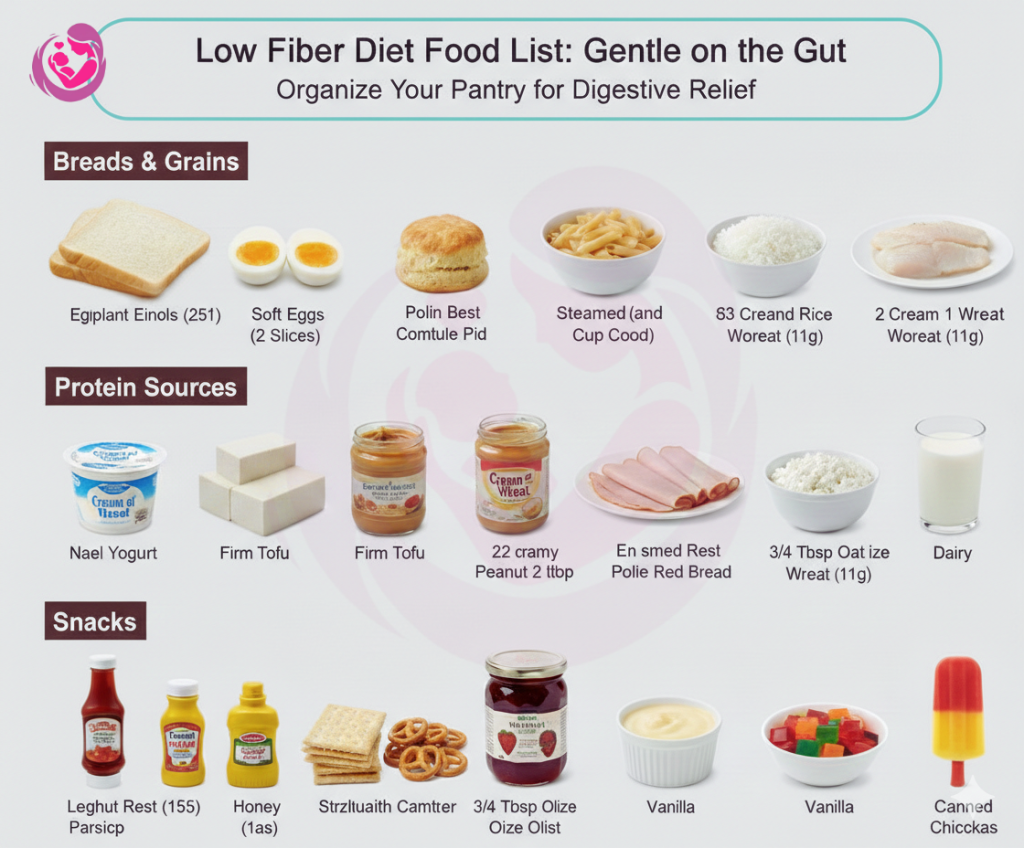
A low residue diet of what will be included in your pantry will be divided into the following categories in order to make your trip to the grocery store more organized. To be delicate and graceful, that is to be born in mind.
Breads and Grains: White bread and rolls, biscuits, white pasta, white rice, and flour tortillas and cream of wheat.
Protein Sources: Poached/ scrambled eggs, tofu, creamy nut butter (no chunks, just creamy), soft chicken and white fish flakes.
Dairy: Fruit-free yogurt, cottage cheese and milk (this may be limited by the doctor).
Snacks: crackers and pretzels, plain, gelatin, pudding and popsicles.
Condiment: Ketchup, mild mustard, no seed jelly and honey.
what to avoid
Any food that contains seeds, nuts and dried fruits or whole grains such as brown rice and quinoa should be avoided. They include fiber that cannot be absorbed and is like a scrub brush to the intestinal walls- which is what we do not want when we are in a low-residue state.
Low Fiber Vegetables
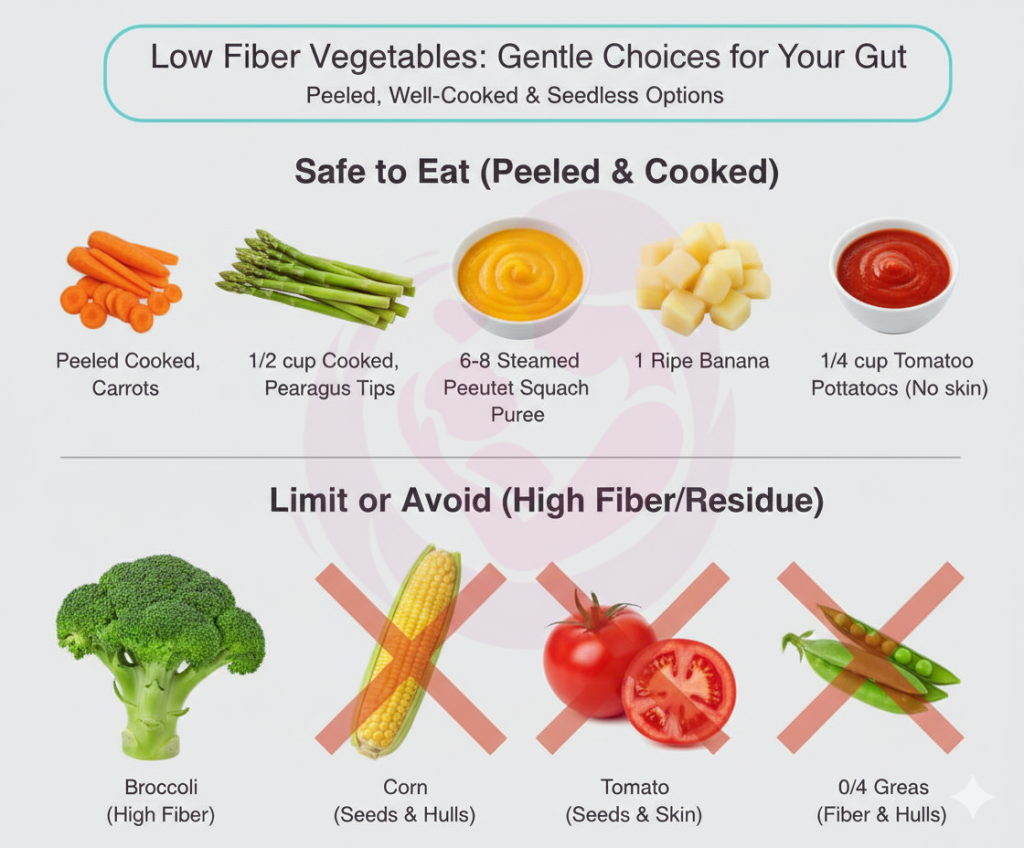
The most common problem on a low residue diet is normally vegetables. The majority of the uncooked vegetables are categorically forbidden because its cell walls consist of cellulose which is not digestible by the human body. Nonetheless, you do not need to abandon the vegetables you only need to alter the cooking method of the vegetables.
The Golden rule: Peel and Cook You can cook peeled and fork-soft or mushy vegetables. Great examples include:
- Boiled (or steamed) peeled carrots.
- Peeled potatoes (no skin)
- Squash seedless (butternut or acorn)
- Asparagus tips (well-cooked)
Cruciferous vegetables such as broccoli, cauliflower, cabbage, should not be consumed even after cooking since it leaves one with a lot of gas and bloating. Likewise, do not prepare hard-skinned or seed-skinned vegetable, e.g. corn, peas and tomatoes (without removing the seeds and skins).
Low Fiber Foods
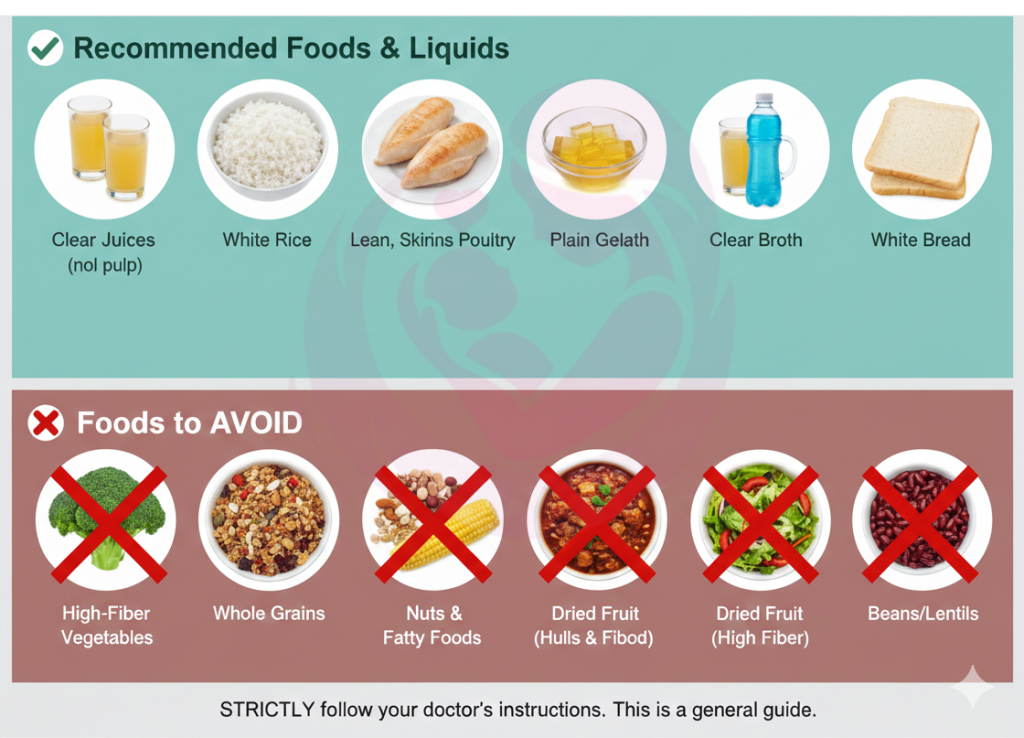
low residue diet would not be accompanied by refined carbohydrates and lean proteins anymore. This might not be very intuitive to people used to clean eating, but this is the safest food to use to feed a sensitive gut.
Grains and Starches White grains will be used to prepare your meals. They are made by peeling off the endosperm, as is the case with whole grains and they contain only easily digested bottom which is the endosperm. White flour pasta and crackers can be consumed. And so is white bread and white rice. Even some cereals such as the cornflakes or the puffed rice are more preferred.
Lean Proteins Protein It is an essential requirement in the healing process particularly after surgery. The mode of preparation is important, however. You must choose soft and well-cooked meat like chicken breast, turkey, fat-free fish and eggs. Eggs are likely to be the most bioavailable foods since they have virtually no residue in the gut, and they are considered to be the best low-residue foods. Hard meat cuts that have gristle or the skin are reported to be difficult to digest and should therefore be avoided.
Low Fiber Low Residue Diet
Although they are interchangeably used, there is a minor difference between normal low fibre diet and a low residue diet. High-protein diet is a low-fibre diet that is concentrated on the constitutes of plants that cannot be digested. A low fibre low residue diet also does not include the foods that may enlarge the bowel mass or which contract the bowel (such as dairy products that may leave undigested lactose residue or meat that is not easily chewed) or meat that is hard to chew.
This particular diet has been formulated in a form that is not intensive to the GI tract. Next, by simply taking but food that is already half absorbed in the intestine you will manage to render the colon as silent and empty as possible. It alleviates the following symptoms; belly pains, cramping and diarrhoea hence it is incorporated as a staple in the management of diverticulitis or a severe case of the Irritable Bowel Syndrome (IBS).
Low Residue Diet before Colonoscopy.
The case of medical preparation is one of the most frequent orders to be placed when people are browsing this diet. Low residue diet (2 to3 days prior to colonoscopy) is usually a requirement. The principle here is extremely easy to understand: the more open a colon is, the more the doctor can see the lining of the small intestine to decide whether it has polyps or objects which are formed maladaptively.
Eat high-fibre foods (such as corn or seed) just before colonoscopy, they may be left in fissures of the colon, which enhances as a polyp, or they may even fill the camera. This low residue diet is followed strictly and thus the drink that you have the previous day before is better and the process is more efficient and accurate.
Low Residue Diet Menu
And the risk of it all might be, risky. An example of one day low residue diet that will not starve and gutted you will be as given below:
- Breakfast: Two scrambled eggs and 1 toasted white sourdough with the crust and with a small amount of butter. 2 ozs. orange juice, no pulp.
- Lunch: Deli turkey, sliced on white flour tortilla in a thin coat of mayonnaise. Put cooked and peeled carrots and several plain saltine crackers on the table.
- Snack: Vanilla yoghurt (a small cup of the snack will be smooth) or a slice of watermelon (without a seed) (in moderation).
- Dinner: Baked skinless poultry (chicken) (no pepper or herbs). White rice and potatoes (fried in little milk).
- Dessert: Plain sugar cookie or lemon-flavored gelatin.
FAQS
1.Is it possible to bring coffee on a low residue diet?
You can, yes, most generally, have coffee, only filtered. You are to avoid thickens and much dairy either as you are sensitive. The last, though not the least, do not drink coffee with grounds of the espresso which are not filtered properly.
2.Is peanut butter allowed?
But smooth peanut butter only, yea. Peanut butter is hard and made up of fragments of nuts which harbour great percentage of residue and are able to ruin the digestive system.
3.Why not forbidden seeds and skins?
The solubility of the fibre is insoluble in seeds and skins. These are insoluble in water, and are generally retained in the gut, in consequence of which they produce pain or even obstructions in small bowels or tubes.
4. But how do I feel about it, many days I am meant to be in this diet?
It is not a long-lasting diet (less than 5-10 days), except when prescribed by the doctor. The lack of fibre may result in nutrient deficiency and constipation in the long run.
5.Can I eat chocolate?
Plain dairy milk chocolate, which does not contain nuts, raisins or coconuts is generally okay in moderation. Nevertheless, chocolate is a laxative drug which is not heavy, that is why it is better to eat it in small amounts.
6.Should bananas be incorporated in a low residue diet?
Yes, it has bananas that are ripe and one of the few fruits that are permitted since they are soft in addition to having low amounts of fibres. They are to be hugely ripe (yellow, but with some brown spots) to be easily digested.
7.Is oatmeal low residue diet or not?
Generally, no. The high fibre content is present even in the fast oats compared to a strict low residue plan. Other substitutes include better Cream of Wheat or grits.
8.Can I use spices?
The seasonings must be simple, e.g. salt, a small amount of seedless herbs. Unless an individual has an irritable bowel, the spicy ingredients such as chilli powder, red pepper flakes or whole peppercorns should be avoided as they tend to irritate the lining to gut.
9.What shall there be to drink save water?
Ok are fruit juice without pulp, herbal tea, carbon drinks and electrolyte replacement drinks. Do not use pulp green juices or smoothies.
10.Would the diet result in constipation?
It can because it is fibre that tends to make things move. Consult a physician on the event of constipation. They are able to advise more consumption of the liquid or ingesting a stool softener which will not build a bulk.
Leave a Reply