
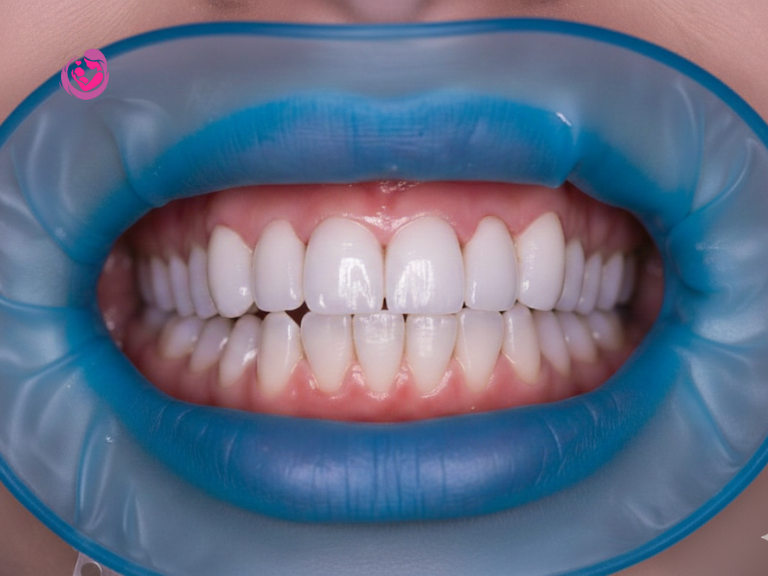
ceramic teeth cap have become an art form, a synthesis of materials science, biomechanics and digital technology. To make sure that the restorations you will be getting offered by a dental facility in the United States will be able to provide you with the results that can be both effective and natural, in terms of appearance, oral care, and longevity, as a patient in need of the high-level of oral care, it will be necessary to know the technical ins and outs of the ceramic restorations so that you will not only be able to make the informed medical decisions but also be certain that the restorations to be offered to you will be of high quality enough to last.
Introduction of Ceramic Teeth Cap
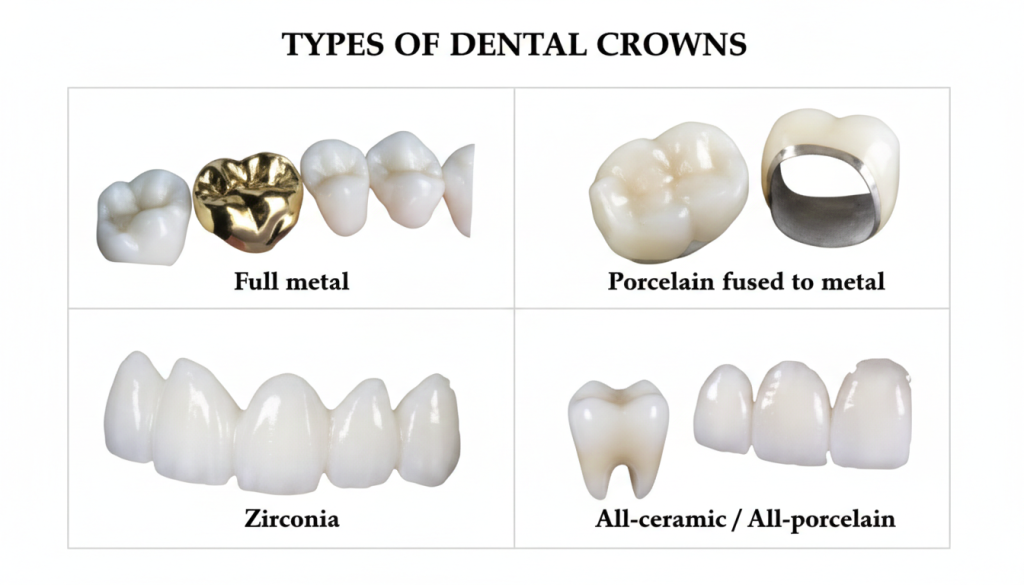
All-ceramic crowns are fixed restorations, which are installed to cover, protect and remodel decayed teeth, also referred to as ceramic teeth cap by the clinicians. Unlike porcelain-fused-to-metal (PFM) crowns that were highly popular within the past several decades, the restoration consists of all-high-performance-ceramics, inside and outside. It is a giant leap towards the modernization of dentistry as all the problems that exist are resolved, such as the allergy to metal, the blackness of the gums, and the unnatural lighting outlook.
The American system of cosmetic dentistry regards the use of ceramic teeth cap as a reflection of the so-called biomimetic restorations. This means that their physical properties e.g. elastic modulus, coefficient of thermal expansion and refractive index of light are quite comparable with that of the natural human tooth enamel. The all-ceramic materials are able to adsorb the bright sunlight or the radiance of the rest of the social functions and even simulate the light and texture of actual teeth, which may be virtually invisible in the mouth with naked eyes.
Crown on a Tooth
Crowning a tooth is a decision usually made on long term basis when one is making a clinical diagnosis in order to preserve the remaining tooth material. The ceramic teeth cap creates not only a way of covering the flaws but also creating a robust defense mechanism against stress. Considering that the structural damage of a tooth is over 50 percent due to severe decay or physically, the old form of composite resin fillings (dental fillings) is not strong enough to resist fracture and can easily separate a tooth like a wedge due to the chewing stress.
ceramic teeth cap on a tooth are going to be particularly important in such case. It ensures the fast fixation of the thin tooth root in an 360-degree circumference (Ferrule Effect), which is essentially the distribution of the vertical chewing stress to the periodontal ligament. In case the nerves are removed (i.e. root canal treatment), the tooth body is as frail as a withered twig in the sense, that it no longer receives nourishment; a high-quality ceramic crown is the final defense against tooth fracture in addition to increasing its lifespan.
Ceramic Crown
When we refer to ceramic teeth cap we are actually referring to a variety of a great many other entirely different high-performance materials. The current gold standard of the industry is made of the following two materials:
Lithium disilicate (i.e., E-max): This is a glass-ceramic teeth cap that is unsurpassed in transparency. It is the optimal substance in the anterior aesthetic restoration that is anchored on its light scattering crystalline structure. Flexural strength is between 360-500 Mpa and that is sufficient to sustain the cutting force of the anterior teeth.
Monolithic Zirconia: This is also known as the ceramic teeth cap steel that has a flexural strength of up to 900-1200 Mpa. The early zirconia was criticized on the reason why the material is pale in color yet the new breed of zirconia, the multilayer, provides the natural transition to the cervical margin to incisal edge. This ceramic teeth cap is a durability guarantee in the event of patients in the molar (posterior) region or patients that have bruxism.
What is a Crown on a Tooth
Most patients want to know what a crown on a tooth is, how is it done when the majority of them pose a question to themselves. And this in the virtual age is fine art indeed:
Tooth Preparation: The dentists make a minimum number of cuts on the affected tooth and leave an average of 1.0-1.5mm of thickness to allow the ceramic teeth cap to fit.
3D Digital Scanning: Intraoral scanners have also taken their place in the current clinics as the previous bite impressions where the 3D computer aided picture of the tooth is produced at a few seconds with high accuracy.
CAD/CAM Design and Milling: The technicians/dentists will use a computer based software to model the shape of the crown and then they are milled in a precision CNC mill using a single block of ceramic.
Chemical Bonding: this is the largest disparity between the all-ceramic teeth caps and the metal crowns. All-ceramic teeth cap are chemically bonded to the tooth by the resin bonding system. This is very adhesive and practically assists in delaying the leakage of the bacteria and possibility of secondary cavity.
Crown for Teeth
Anterior (Esthetic Zone): It is a zone which is said to preserve the chewing capabilities of the dentists as well as the lips support and pronunciation (the s and f sounds). The tooth caps are ceramic in nature and they are manufactured through layers superimposition of the material used in the manufacture of tooth caps that closely mimic the translucency and sensation of other natural teeth and therefore provide a brighter smile.
Posterior (Functional Zone): Molars are subjected to an astonishing amount of pressure in the course of chewing (in some cases, up to hundreds of pounds). Hence, extremely high wear resistance and fatigue level must be enforced on the crowns for teeth in that case. Zirconia has been the most appropriate support of the posterior tooth restorations due to its phase transformation toughening i.e. its change in molecular structure under pressure in presence of pressure to stop the expansion of a crack.
Crown Porcelain Ceramic
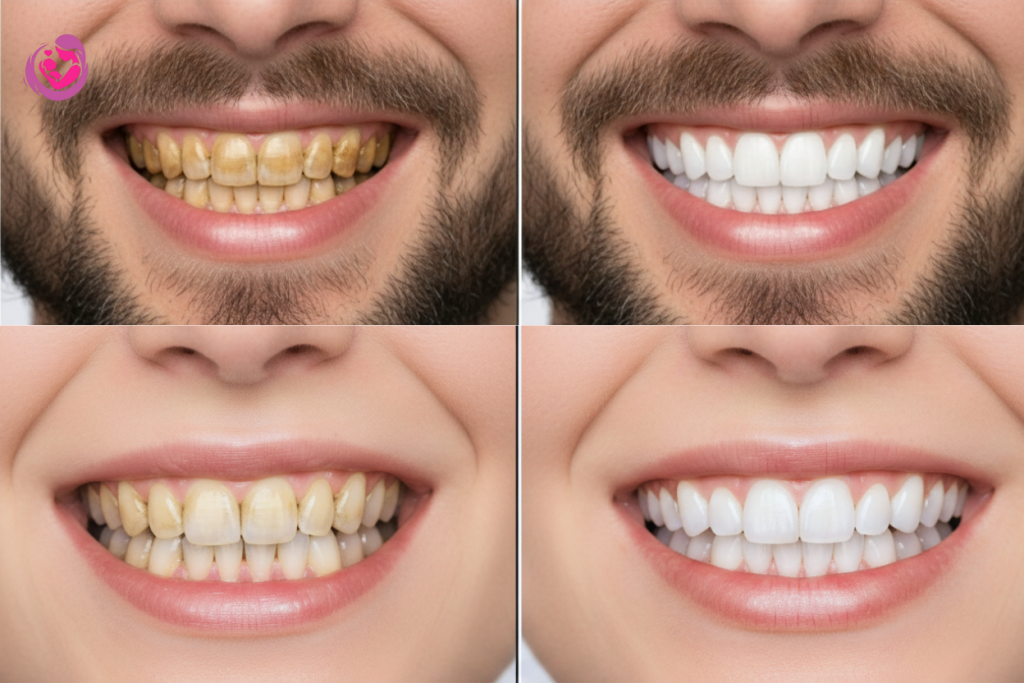
The fact that the crown porcelain ceramic is more biocompatible is one of the technological niche of the ceramic. The ceramics are very inert chemical compounds, which do not disintegrate and release ions in the complicated acid-base system of the oral cavity. Conversely, conventional nickel chromium metal crowns may cause gingivitis resulting in the recession and discolouration of the gum.
Besides this, the ceramic surface of the crown porcelain is also highly smooth and possesses lower surface energy i.e. offers no chance to bacteria and plaque to adhere on the surface readily. Not only is this appropriate in the preservation of breath fresh but it is also effective in the prevention of periodontal disease that develops as a result of bacteria development. This in contemporary dentistry has been christened as tissue- friendly restoration.
FAQs
1.How long does an average all-ceramic teeth cap last in the United States of America?
In line with the clinical statistics, it is seen that the average life of an all-ceramic crown user is 10 to15 years. In the majority of instances the patients can live beyond the age of 20 unless other factors are involved and they are taking care of their mouth in terms of flossing it with dental floss and using water flossers as well as having their mouth professionally cleaned on a regular basis. The health of the tooth, which they are cemented on, and the bite of the patient is of great essence to their survival.
2.Why are teeth hot and cold after doing a ceramic teeth cap?
This happens during stage early placements. The dentinal tubules can be stimulated provisionaly when a certain amount of enamel is lost in the stage of preparing the tooth. Equally, even the minor nerve reactions can be brought about by adhesive curing. This sensitivity is usually located between 1-2 weeks. You are also likely to cheque on your bite on overbite in case it is still persistent.
3.Will I be as dirty with my electric ceramic teeth cap with my natural teeth?
No. A good denture of high quality (zirconia or E-max) is not a porous substance and colour of coffee, tea, red wine, and tobacco cannot enter the ceramic. It does not discolour the crown but those teeth and tartar at the outer of the crown should be cleaned by a professional cleaning to make sure that gums around it are healthy.
4.What is One-Day Dental Ceramic Crown? -CAD/CAM?
It uses an artificial crown that is manufactured and mounted in the dentist office on the same-day foundation using the 3D scanning and milling machines (as the CEREC system). This would spare a second appointment and a provisional crown which is quite uncomfortable. This is very convenient to the American professionals who have a lot of time and it is as true as the crowns produced at the laboratory.
5.Even in case of bruxism, can an all-ceramic crown be made?
Yes, but the choice of the material is also important. Once this happens, dentists have a tendency to prescribe the powerful all-zirconia crowns rather than the weak glass ceramic. Besides, it is best advised that such patients have a specially designed night guard in a way that the force exerted by the chewing is evenly distributed at one point to prevent breaking the costly cap of the ceramic teeth cap.
6.What are considered to be the most common variables that determine the price of all-ceramic crowns?
The overall causes of the price being different are; the type of materials (ivoclar vivadent E-max), the method of preparation (computer controlled milling or hand applied porcelain by a senior technician) and even the dentist himself. Prosthodontists in the United States tend to charge the larger price per aesthetic crown with fine aesthetics, however, the marginal fit and natural appearance is more assured.
7.Is there tooth in the crown (have decay)?
Yes. The ceramic crown would not break but instead another section that is vulnerable to bacterial attacks is at the junction of the ceramic crown and the natural tooth (the marginal line). Unless cleaning in a proper manner is performed, bacteria might enter the crown causing secondary caries. In that regard, it is important that the process of staining and polishing of the borders of the crown ought to be accurate.
8.What are the usual reasons of the failure of the crown?
The most common failures are severe periodontitis that causes loss of teeth and also causes trauma in the form of ceramic teeth cap chipping and abutment tooth decay as a result of poor bondage. A huge portion of the failures which ensue following the uneven distribution of forces can be prevented by ensuring the dentist chosen is extremely conscious of the mechanics of the occlusives.
9.Why are the all-ceramic teeth cap crowns better to the environment than the porcelain-fused-to-metal (PFM) crowns?
In the case of biomaterials in question, ceramics do not have potentially toxic metals components. The all-ceramics crowns are free of any metallic artefact in the imaging tests (even the MRI), which is more advantageous to the modern medical diagnosis.
10.What are a few of the considerations during the first 24 hours of all-ceramic crowns placement?
The bonding of the adhesive is already hardened in the first 24 hours but you will always want to avoid very sticky stuff (gummies and glutinous rice) so that it does not creep on the sides laterally and will then be able to have a full reversion to regular diet with the comfort of the ceramic teeth cap.
Leave a Reply