
Introduction about Baby brain development and learning
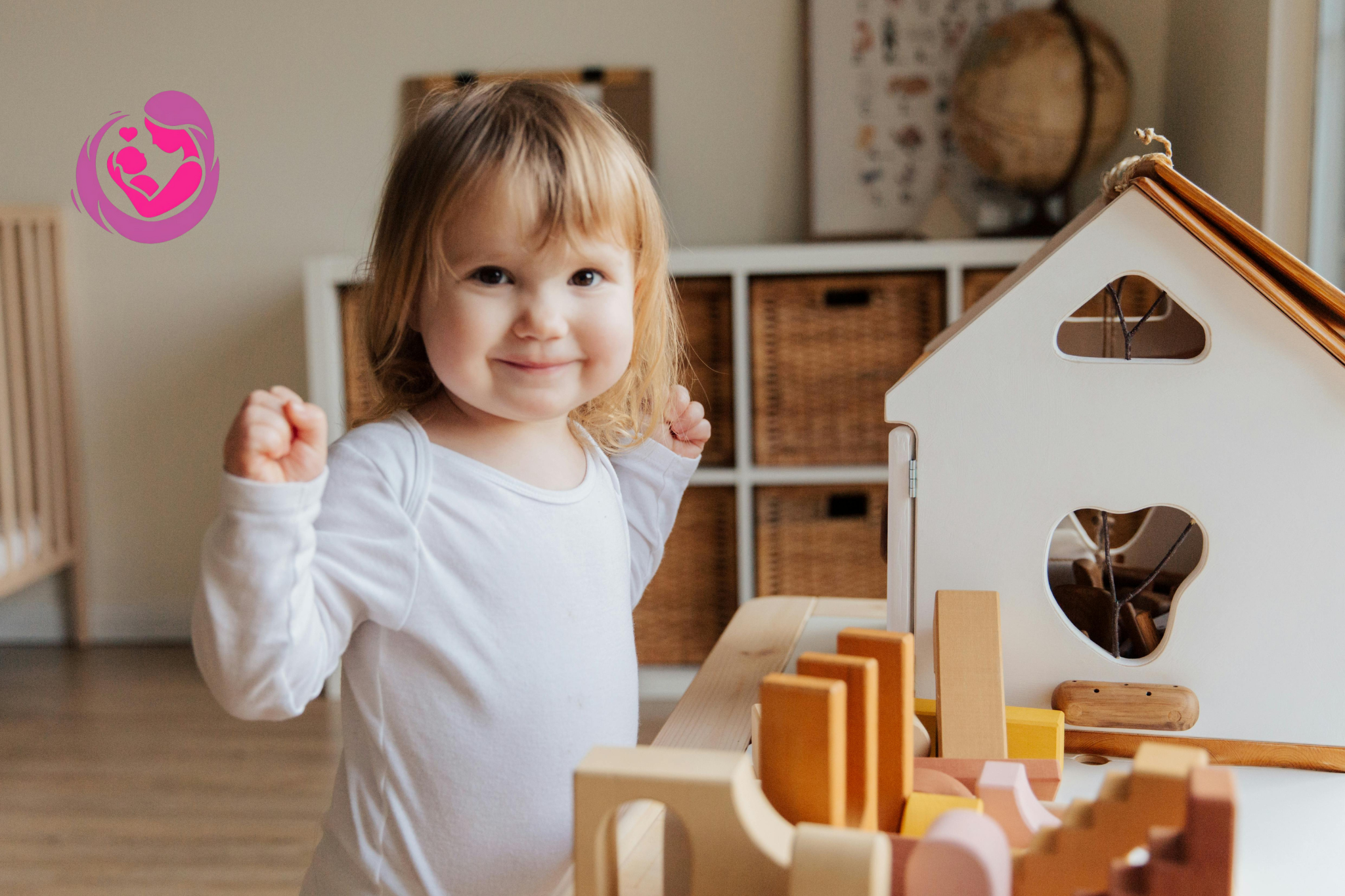
You wait a month to hold your newborn baby, but suddenly feel a tiny heartbeat in your arms, there is no doubt that this moment is one of joy. Every skin-to-skin contact, hug, word you whisper, or even a smooth rhythm is shaping your baby for learning and emotional memories. Your baby brain is one of the most powerful learning machines on earth that collects data very quickly. It lays the foundation for personality, intelligence, or emotional health. If you understand how your baby brain develops, you can give them small games and brain-building choices. Remember that you are not just raising a child you are shaping the person he will become in the future.
Development and baby brain connections
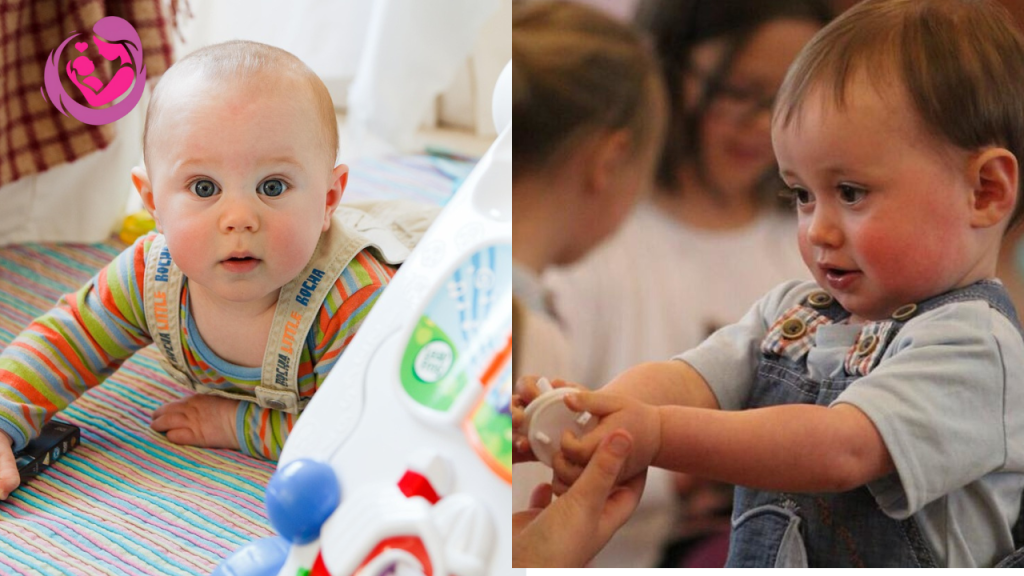
When a baby sees the world for the first time, the outside world changes forever, but a lot changes inside him, too. Although the baby brain is incomplete, other parts, such as the lungs, heart, stomach, etc., are fully developed, but the brain is still under construction. When a baby is born, baby brain is a quarter of its adult size. Its growth process is rapid over time, especially in the first year, increasing in size by 80% and doubling in size over the years.
Every second, a baby brain makes millions of neural connections that we call synapses, which are for development, learning, intelligence, and emotions. When a baby interacts with sounds, emotions, touch, or nutrition, it shapes their brain. Even a lullaby or a hug, even a heartbeat against a parent, can create future resilience, learning, and emotional well-being, helping them understand things.
Synaptogenesis
The baby brain builds or creates pathways between neurons. It is definitely formed by experience. When babies, Listen Mom constantly feels heat or smells, synapses are associated with these experiences, which is called Synaptogenesis. So read to your baby and provide them with a learning environment because the connection between baby brain cells is strengthened by constant and positive interactions.
What do newborns experience and learn?
1. Sensory Discovery
• Babies often explore everything through touch, learn from movements, and observe colors.
2. Language Acquisition:
This process is very interesting in newborns because it starts before birth and then increases rapidly over time. Research shows that after 25 to 27 weeks of pregnancy, babies begin to hear from the outside. They prefer their mother’s voice to others so that they can distinguish between sounds and have very little experience. After 2 to 6 months, they make sounds (oh, ah). After 6 to 12 months, they start to babble like dad and grandpa. They begin to recognize names they are familiar with. After 12 months, their first recognizable word appears, like mama, daddy. Remember that they understand more words than they say. So, communicate and listen to your little one.
3.Emotional development
If you hug or cuddle them, they develop a connection and bond with you, and they develop feelings of love, trust, or feeling safe.
4.Motor skills
• The brain controls the baby’s movements. When the baby learns to walk or grab things, new connections are developed as neural pathways. Each new skill makes the brain stronger and more organized.
• When the baby learns to crawl and walk, this activity is controlled by a part of the brain called the cerebellum. This improves the baby’s focus on objects or all physical control.
• When the baby can hold a spoon or eat or write, these movements are controlled by the motor cortex. If you play with them, this activity improves their problem-solving skills.
Motor skills = brain exercise
• If children play or move a lot, they learn new things and learn how they should perform this activity; baby brain development accelerates.
5.How to support them?
• Your child is completely dependent on you. The way you raise or treat them decides what impact your child will have on society in the future.
• Talk to them, engage them in different activities, or try to sing songs according to their needs.
• Tell them stories, read books, and always repeat if you feel that the child is not mastering what you are saying.
• Provide them with a natural environment.
• Encourage them to explore and learn.
• Learn skills on a daily basis, such as feeding themselves, dressing, or cleaning.
• The social skill of interacting with people by making eye contact with everyone or engaging with them. Through this activity, they learn to express needs or communicate with others.
• Research shows that children develop curiosity, confidence, and emotional regulation in the first year of their life, so the first year of life is important.
Treat them well. Their personality is shaped by the environment, parenting style, and social interaction with the world. Gradually, their personality starts to emerge in the environment over time. You cannot change the child’s personality or its natural traits, but you can guide them to be confident, kind, and well-behaved.
• They observe everything. When you see a stranger, you have to smile, act calmly, and show patience. This teaches them how to survive in society.
• Exposure to toxins like smoking and alcohol can harm baby brain development. Do not let smokers near your child.
• Sleep is the work of the brain during sleep; the brain organizes memories and experiences.
• Always prefer breast milk. Zinc and iron deficiency can affect memory and learning ability. Breast milk is liquid gold; it contains antibiotics as well as high nutrition.
• Introduce them to soft objects like brushes, cups, and tell them how they should behave with them.
Do not hurt anyone in front of them or fight with them. Violence can harm their mental health.
• If you ignore them, their mental health will weaken.
• The first 5 years are very important for brain development. After 5 years, 90 percent of a child’s brain development is complete.
• Test your child’s IQ through major tests like the Fagan Test and the Bayley Scale of Infant Development.
As a first-time mother, I observed many of the things I have discussed above. From every little reaction to sounds, recognizing faces, voices, or every step, I felt a miracle. No doubt it was challenging, but I learned the importance of children’s behavior and their small movements. They develop at their own pace and always remember that your child is completely dependent on you. Patience is key to your child’s health and brain development. What do you think is the most important factor in a child’s brain development?
Leave a Reply