
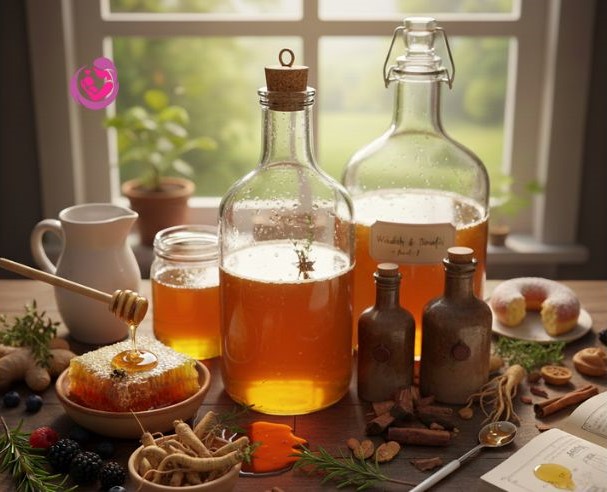
introduction | Med the Ancient Art of Honey Wine
The nectar of the gods might be the secret name which is uttered in the aisles of the history about Meads, yet it is one of the worst misunderstood drinks in the contemporary market. To some who has not encountered the question of what is meads, the answer to the question is extremely straightforward, it is fermented alcohol, in which fermentable sugar is provided primarily by honey.
But to the connoisseur meads is a complicated affair of chemistry and apiculture and food art. Meads is a genre in its own right, as opposed to beer which must make use of the process of saccharifying the starch contained in the grains, or wine which must make use of the natural sugars in grapes.
One will need to go beyond the stereotypes of the Middle Ages in order to determine the meaning of the meads drink in the present day. Meads-making is an art but is most likely to be related to Renaissance fairs and Viking culture. It may as be as dry as bone, or as gaily as a champagne, or as malingering as a nice dessert sherry. With the aid of the various honey types by the citrusy honey of the orange blossom honey to the dark earthy flavour of the buckwheat honey, mazers (mead makers) will be in a position to develop a variety that can be compared to the finest grape wine in the world.
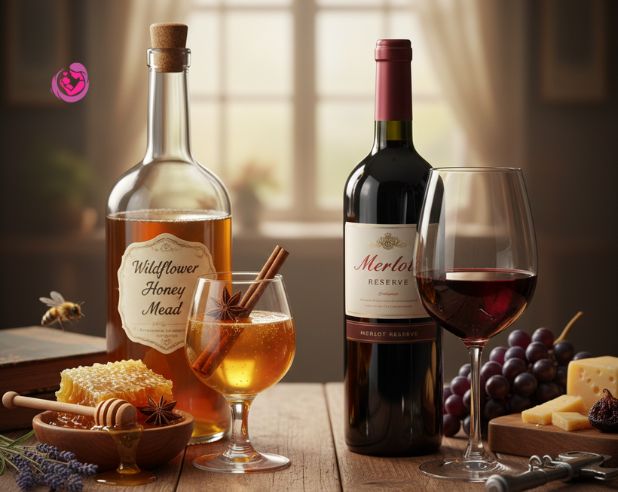
1.The Deep Roots: Mead Origin
When we think of that which was meads to the ancients we have discovered a drink which once was more generalised than water. Archaeologically, it is reported that human beings were drinking the fermented honey as early as 9,000 years ago. The archaeological traces of pottery shards were found in Neolithic Chinese cave in Jiahu and revealed the archaeological evidence of chemicals of the hawthorn fruit, the hone and rice.
The Vikings Nectar of the Gods.
The culture of the Norse and the Celtic culture are immensely intertwined with the its origin of the Northern Europe.it was not an avenue to a god alone, but a drink to the Vikings. Mythology states that Meads of Poetry was made using the blood of a wise creature known as Kvasir and whoever consumed it would be able to become a scholar.
From Ancient China to Europe
It was popularised by the Norse, but it was a household name the world over. It is found in Rigveda of India and Greeks refer to it as ambrosia. Honey being the only known source of concentrated sugar in the pre-history human community, it was the natural in the performance of the preceding fermentation which were to be made global.
2.Distributing information on the Strength: Mead Alcohol
The first question that people will pose concerning mead alcohol is the type of beverage. The honey sugar is slightly less than sugar (around 80 percent), and thus this can be used to an unlimited extent through the process of fermenting the honey sugar in producing ethanol through the yeast. This is what permits the colossal amount of power.
The Session Mead Profile
On the light side of the scale, at one extreme, is to be found, “Session Mead.” These are non food drinks which are carbonated, mostly, with an alcoholic content of between 4 percent and 7 percent. They have become the modernised form of the craft cider and offer the honey scent which can be consumed without such high level of intoxicating effect.
Standard and Sack Mead
An average mead exceeds to 11-14 percent of white wine. but, when a mazer gives the ratio of honey to water very much, they will give out a Sack Mead. These are up to 18 per cent to 20 per cent ABV. At this level the yeast will most frequently fail to go on fermentation till all the sugar is used and will produce a beverage that is not only inconceivably strong but a dreamy sweetness.
3.The Risk of Potential Multipotential Disadvantages of Over drinking
Mead is a powerful tool even though it is natural, and it needs to be respected and used not so often. Caloric load is one of the biggest negative outcomes of overindulgence.
Caloric Density and Sugar
Being concentrated form of energy, mead is likely to be of much higher amounts of calories than the dry spirits or light Beers. The remainder of the sugars in sweetener mead produces the spikes of blood glucose levels in persons with a more critical eye on their metabolic condition.
The Dehydration Factor
The honey hangover is an effect that is documented. This is normally attributed by the presence of congeners and drying effect of high sugar. By drinking alcohol which has many sugars, the body needs more water to metabolise the glucose and this goes on to dry you further since you are already dehydrated by the alcohol.
4.The Fermented Must Art: Mead Making
But how do I proceed to make mead, whether it is a process to which one may easily be led astray, but a very serious business as regards to the sanitation. The process of production of the must of honey and water is the first step.
at the Picking of your Honey and Water.
Process Starting with three pounds of good honey and a gallon of spring water would be a normal starting point of mead honey wine production. Non-chlorinated water that is active to chlorine should also be used that may react with the constituents of honey to form medicinal off smell.
The Fermentation Stages
The chemistry of pitching the yeast is to pitch it. The delicate floral aromatics are most commonly preserved by a process of no-heat by modern meads makers. After addition of yeast, the primary fermentation process starts and releases carbon dioxide and alcohol. Once the initial group of bubbles is removed, the liquid is then racked into a second pile in order to mature.
5.Is Mead Good for Health? Cons and Pros
Is meads a health drink? The answer is nuanced. Although honey is a superfood, there is an alteration of chemical content of the beverage during the fermentation process.
The Benefits: Gluten-Free and Anti-oxidants.
Among the positive things that can be mentioned, one should include the fact that meads does not contain gluten. Meads could also replace beer that is complex to the victims of the Celiac disease. Furthermore, even non pasteurised meads could have some phenolic compounds into their products, which the honey could not, and which help in the heart health.
The Negatives: Alcohol and Acetaldehyde.
The alcohol level lays emphasis on the negatives. The alcoholic beverage, which is meads, undergoes the synthesis of acetaldehyde of the degradation process of the liver, just like any other wine. Besides, the alcoholic content is excessive and may be too strict to the digestive system when not taken in moderation.
6.Nutritional profile: E. coli fermented Honey: bioactive Compounds
Meads is much more intricate than a mere ordinary spirit, as far wellness is concerned. In carrying out our molecular analysis of what is meads drink, we get to understand that the difference in the nutritional value of the final pour of the drink depends on the quality of the honey. Meads has an opportunity to provide natural benevolence of the hive as opposed to empty calories of most commercial beers.
Honey as a Prebiotic Source
Even though the major part of the sugars are oxidised in the course of fermentation procedure, the oligosaccharides which are not digested are not oxidised. Being prebiotics, they are able to be used and this provides a source of energy to the healthy gut bacteria. Meads in such a health conscious environment will be healthier than grain based alcohols which sometimes can make people with too sensitive systems bloat or get inflamed.
Polyphenols and Microelements Floral.
The polyphenols and flavonoids differ in concentration in the meads with each forage of the bees i.e. Manuka, Clover or Wildflower. These are some of the potent anti-oxidants that assist the body to resist oxidative stress. Be drunk as it may, but even whilst you are drinking it you are receiving a smattering of a mineral (potassium, magnesium) something of which you will never partake at vodka or gin.
7.its Wellness Today: The Clean Drinking Movement
The wellness market will become hyper-clean and the brands more forthcoming in their sourcing, hence it is experiencing a massive rebound. The only beverage that is palatable is it to the subscribers of the idea of a Paleo or ancestral lifestyle since it is not about an industrial approach to grain processing and the pesticides that can be commonly related to mass-produced vineyards.
A Sulfite-Free and a Natural Alternative.
The so-called wine headaches are more often occasioned by the sulfites in commercial grape wine, and vexes most health-conscious drinkers. There exist an abundance of craft mazers in the world of how to make it honey wine with minimum interventions. Due to the innate antibacterial possibilities of honey, it can frequently be prepared with no particularly significant chemicals that conserve a business wine and it is therefore a potentially more pure metabolic experience.
Listening Care and Creative Attention.
Wellness does not address the body but to a large extent the mind. The Slow Drink trend persuades the consumers to abdicate the habit of binge-drinking and adopt the enjoyment of the genteel tastes. As a sipping beverage and so a good Scotch or a fancy kombucha, it will be the best fit in the mindful drinking programme. It causes a drinker to feel that she is similar to the seasons, and the local ecosystem of the bees, which makes her feel environmentally healthy and physically satisfied.
FAQS
1.What is mead exactly?
it was a liquor that was mostly manufactured using honey, water and yeast. Even when fruits are added, honey will require the larger quantity of sugar.
2.Hast thou the flavor of mead to wine?
its less often grove, and so with typical floral odor. It can be ailing sweet or very dry.
3.Is mead a wine or is it a beer?
It is applied to the majority of cases as wine but categorically, it is a third group of fermented spirits.
4.How long is it possible to make good mead?
it is now spends six months to one year as he is mature and smooth as compared to fermentation process which may require weeks.
5.Could I go about to take mead in the kitchen out of the honey at the grocer?
Yes, fresh, local honey will be suggested un-cooked so as not to destroy the compound floral aromas that processed honey lacks or is unable to achieve.
6.Why in the ancient times shall mead be drunken?
The ancient society used the it as a pot of religious events, providers of medicines and a kingdom symbol.
7.Is mead very sweet?
Not necessarily. Many of the craft are made dry, i.e. the yeast dried off all its sugar.
8.Why, then, does Mead refer to Honey Wine?
It is a promotional and deceptive designation, which is utilised in a bid to make the consumer understand that the alcohol content in it is rather comparable to the one present in grape wine.
9.Does mead go bad?
The bottle will not get out of its shape in several years. It may be refrigerated or it can be consumed in a number of days after being opened.
10.What are the different types of mead?
The most widely known ones are Melomel (fruit), Metheglin (spices) and Pyment (grapes mixed with honey).
11.is it Better than beer, the gut?
Generally, yes. its also has no lecturein and is gluten free as per the grain that we know to be irritating to the gut lining. The honey enzymes have also remained in some of the traditional meads.
12.What is the number of calories that the glass of the that drink that is regular contains?
The average number of ounces of the dry mead beverages is 120 to 150 calories. The sweeter types are referred to as Sack, which is extremely high; they have as many as 250 calories in a glass.
13.What are the different nutrients of mead when compared to raw honey?
Some of the heat sensitive vitamins are destroyed during the process of fermentation though majority of minerals and the antioxidants (polyphenols) can be found in the final drink.
14.Is mead part of a Paleo diet?
The most Paleo followers believe that it is also the oldest kind of alcohol since it does not require refined grains and processed sugars, only the one, which might be present in nature.
15.And do we not have mead which is not alcoholic?
I have yes, Honey Water or Hydromel (when not fermented), but does not have the probiotic properties of fermented version.
Leave a Reply